
Why Are My Child’s Eyes Straining During School? (And How Plano Parents Can Slow Myopia Progression)
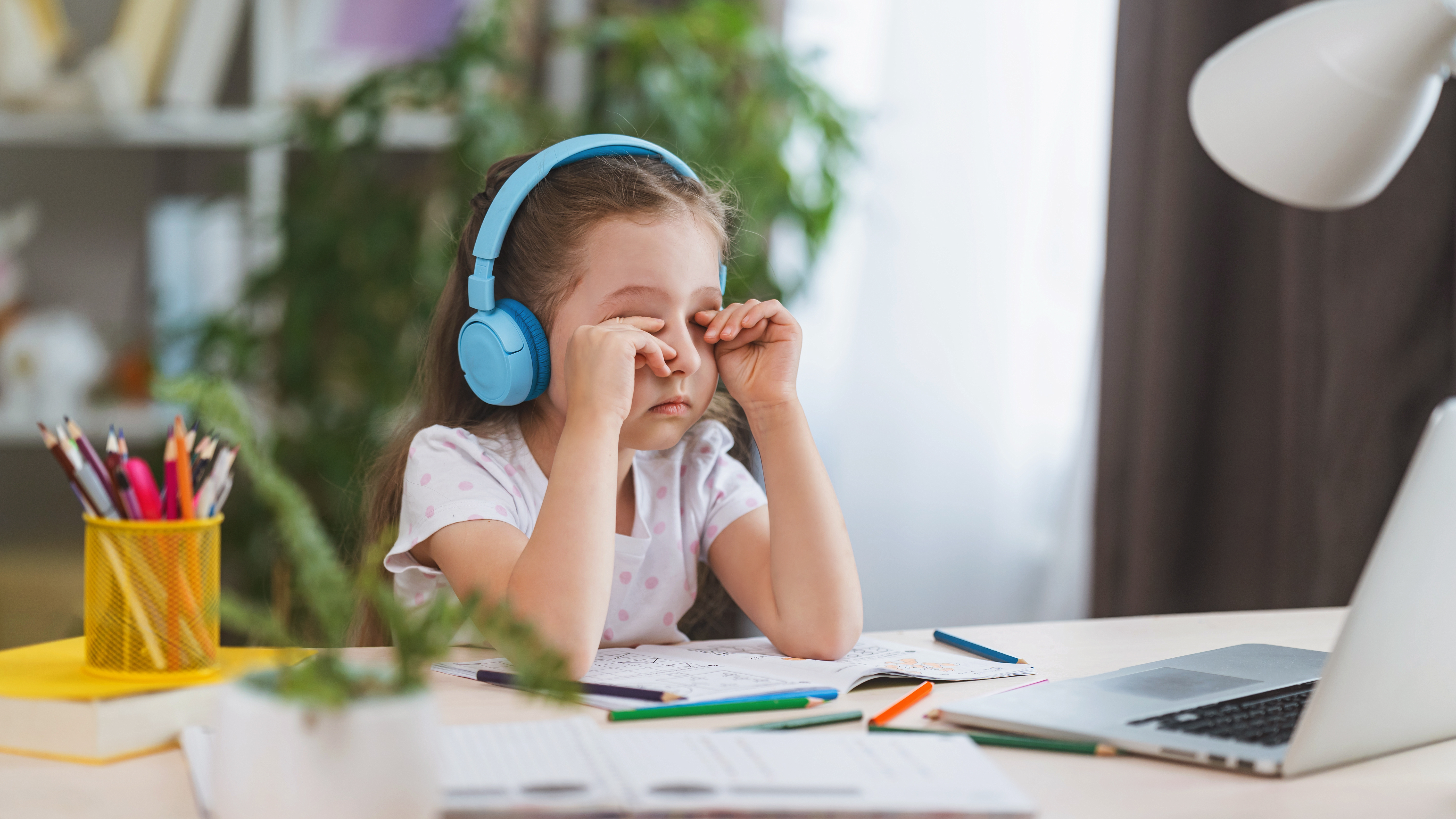
School days place significant visual demands on children. Between reading, writing, computer assignments, tablets, and looking back and forth between a desk and the board, their eyes are constantly changing focus. If your child comes home complaining of tired eyes, headaches, or blurry distance vision, these symptoms may be more than everyday school fatigue.
Signs Your Child May Be Struggling With Their Vision
Children do not always realize that their vision is blurry because they may assume everyone sees the same way. Parents and teachers may notice changes before a child specifically complains about eyesight.
Signs worth watching for include:
• Squinting to see the board or distant objects
• Sitting unusually close to screens or the television
• Frequent headaches or tired eyes after school
• Rubbing the eyes during reading or homework
• Holding books, tablets, or phones very close
• Difficulty shifting focus between near and distant objects
• A prescription that seems to become stronger each year
These symptoms are a good reason to schedule a comprehensive pediatric eye exam rather than relying solely on a school vision screening.
How Schoolwork Can Affect Eye Strain
Extended periods of reading, homework, and screen use require sustained near focusing. Children may also blink less while using digital devices, which can contribute to tired or uncomfortable eyes.
Regular breaks can help reduce visual fatigue. We recommend encouraging children to periodically look away from close-up work and focus on something farther away. Spending more time outdoors is also a healthy habit for children and has been associated with a lower risk of developing myopia.
What Is Myopia?
Myopia, or nearsightedness, causes distant objects to appear blurry while nearby objects are usually clearer. It often begins during childhood and may continue progressing as a child's eyes grow.
Traditional glasses can correct blurry vision, but they do not necessarily address how quickly myopia progresses. This is why parents with children whose prescriptions continue getting stronger may want to discuss myopia management.
Slowing Myopia Progression in Plano
At Lighthouse Eye Care, we offer individualized myopia management options designed to help slow the progression of childhood nearsightedness. Depending on your child's age, prescription, eye health, and lifestyle, treatment may include Ortho-K lenses worn overnight, specialized multifocal contact lenses, or low-dose atropine eye drops. Regular follow-up visits allow us to monitor changes and determine whether the treatment plan is effectively controlling progression.
If your child is experiencing eye strain at school or their prescription keeps getting stronger, schedule a pediatric eye exam with Lighthouse Eye Care to learn more about personalized myopia management options. Contact our office in Plano, TX, by calling (214) 383-9360 to book an appointment.
Quick Links
Helpful Articles
All Eye Care Services
Find personalized eye care excellence with our comprehensive services. From eye exams to advanced diagnostics, trust us for all your vision needs.

Keep In Touch
For non-urgent questions or to learn more about our services, contact us today!
© 2026 Lighthouse Eye Care. All rights Reserved - Accessibility Statement - Privacy Policy - Sitemap
Managed and Designed by 